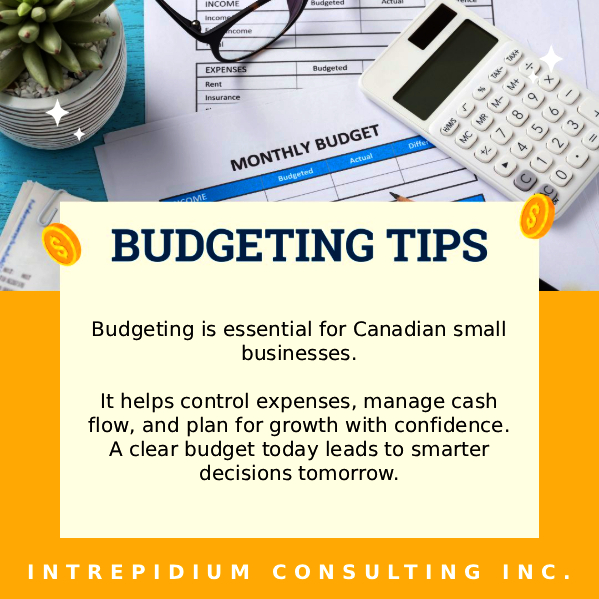
Budgeting is one of the most powerful tools available to small business owners. It provides clarity, control, and confidence when managing finances. For many entrepreneurs, especially in competitive markets like Canada, a well-structured budget is essential for controlling expenses, managing cash flow, and planning for sustainable growth. Without a clear financial roadmap, even profitable businesses can struggle with unexpected costs or poor spending decisions. 💼
A budget is more than just a spreadsheet of numbers – it is a strategic guide for your business. It outlines expected income, tracks expenses, and helps you allocate resources effectively. When used consistently, budgeting allows you to make informed decisions and avoid financial surprises.
Why Budgeting Matters for Small Businesses
Small businesses often operate with limited resources, making financial planning crucial. A budget helps you understand how much money is coming in and how much is going out. This awareness allows you to prioritize spending, avoid unnecessary expenses, and ensure that essential costs are covered.
Budgeting also supports long-term planning. Whether you’re considering hiring staff, purchasing equipment, or expanding operations, a clear budget shows whether your business can afford these investments. Instead of relying on guesswork, you’ll have concrete data to guide your decisions. 📊
Another key benefit is improved cash flow management. Cash flow issues are one of the most common challenges small businesses face. Even profitable companies can struggle if payments are delayed or expenses increase unexpectedly. A budget helps you forecast these situations and prepare accordingly.
Start with Realistic Revenue Estimates
The foundation of any budget is an accurate estimate of your revenue. Review past sales data, seasonal trends, and market conditions to create realistic projections. Overestimating income can lead to overspending, while underestimating may limit growth opportunities.
It’s helpful to break revenue into categories, such as product sales, services, or recurring income. This approach provides a clearer picture of which areas contribute most to your business and where improvements can be made.
Track and Categorize Expenses
Once revenue is estimated, list all business expenses. These typically include rent, utilities, payroll, marketing, software subscriptions, and supplies. Categorizing expenses helps you identify where your money is going and spot areas where costs can be reduced.
Some expenses are fixed, meaning they remain the same each month, while others are variable and fluctuate. Understanding the difference helps you adjust spending when necessary. For example, marketing budgets can often be modified during slower periods, while rent remains constant.
Tracking expenses consistently ensures your budget stays accurate. When you monitor spending regularly, you can quickly identify unusual increases and take corrective action.
Plan for Unexpected Costs
Unexpected expenses are inevitable in business. Equipment may need repairs, supplier prices may increase, or emergency costs may arise. A strong budget includes a contingency fund to handle these situations.
Setting aside even a small percentage of revenue for emergencies can protect your business from financial strain. This proactive approach reduces stress and keeps operations running smoothly. 💡
Use Budgeting to Support Growth
Budgeting isn’t just about cutting costs – it’s also about planning for growth. When your finances are organized, you can allocate funds for expansion opportunities such as marketing campaigns, new products, or technology upgrades.
A growth-focused budget ensures you’re investing in areas that deliver value. By reviewing performance regularly, you can adjust allocations and focus on strategies that produce results.
Review and Adjust Regularly
A budget should never be static. Business conditions change, and your budget should reflect those changes. Reviewing your budget monthly allows you to compare actual performance with projections. This helps you identify gaps and make necessary adjustments.
Regular reviews also improve accuracy over time. The more you analyze your financial data, the better your future forecasts will be. This continuous improvement strengthens your financial planning.
Leverage Technology for Budgeting
Modern accounting and budgeting tools simplify financial management. Many platforms allow you to automate expense tracking, generate reports, and monitor cash flow in real time. These tools save time and reduce manual errors.
Using technology also makes collaboration easier. You can share financial data with advisors or team members, ensuring everyone stays aligned with business goals.
Professional Guidance Can Add Value
Working with financial professionals can enhance your budgeting process. Advisors can help you structure budgets, identify cost-saving opportunities, and improve forecasting accuracy. Companies like Intrepidium Consulting Inc. support small businesses in developing budgets that align with their growth objectives.
Professional insight ensures your budget is not only accurate but also strategic. With expert guidance, you can make smarter financial decisions and build a stronger foundation for your business.
A Clear Budget Leads to Smarter Decisions
Ultimately, budgeting provides control over your business finances. It helps you manage expenses, maintain healthy cash flow, and plan for the future. With a clear budget, you can make confident decisions and avoid unnecessary risks.
Small business success often depends on financial discipline. By creating and maintaining a budget, you gain visibility into your operations and ensure resources are used effectively. 📈
Start today by outlining your revenue, tracking expenses, and reviewing your financial goals. A clear budget today leads to smarter decisions tomorrow – and sets your business on the path to long-term growth and stability.